0%

Picking out the right Agrispray Drone for your farm can honestly be a bit overwhelming. The market’s flooded with options, each with its own set of features, and it can be hard to know which one is really the best fit. Dr. John Taylor, an expert in ag tech at AgriTech Innovations, puts it nicely when he says, “The best drone is the one that fits your specific farming needs.” I think that really hits home—it’s all about understanding what you actually require.

Basically, the right Agrispray Drone should make your life easier and boost your efficiency. It’s gotta be straightforward to use and capable of applying exactly what’s needed, without a fuss. Sometimes farmers miss the little details—like how big the area they’re spraying is or what kinds of crops they’re working with—that can make all the difference.

Choosing the right drone isn’t just about buying the latest tech, either. It’s about doing your homework—reading reviews, talking to other farmers, maybe even trying out a few options. Consider where you're at now and where you might want to go in the future, because your needs might change down the line. Taking these things into account can help you make a smarter investment. At the end of the day, the goal is to find a drone that not only helps you get more done but also smoothly fits into your farming routine without adding extra hassle.

How to Choose the Best Agrispray Drone for Your Farm Needs?

Understanding the Basics of Agrispray Drones for Agricultural Use

Agrispray drones have revolutionized the agricultural industry. Understanding their basics is crucial for farmers today. These drones are designed to efficiently spray crops, which can improve yields. They can cover large areas quickly, offering a significant advantage over manual spraying methods.

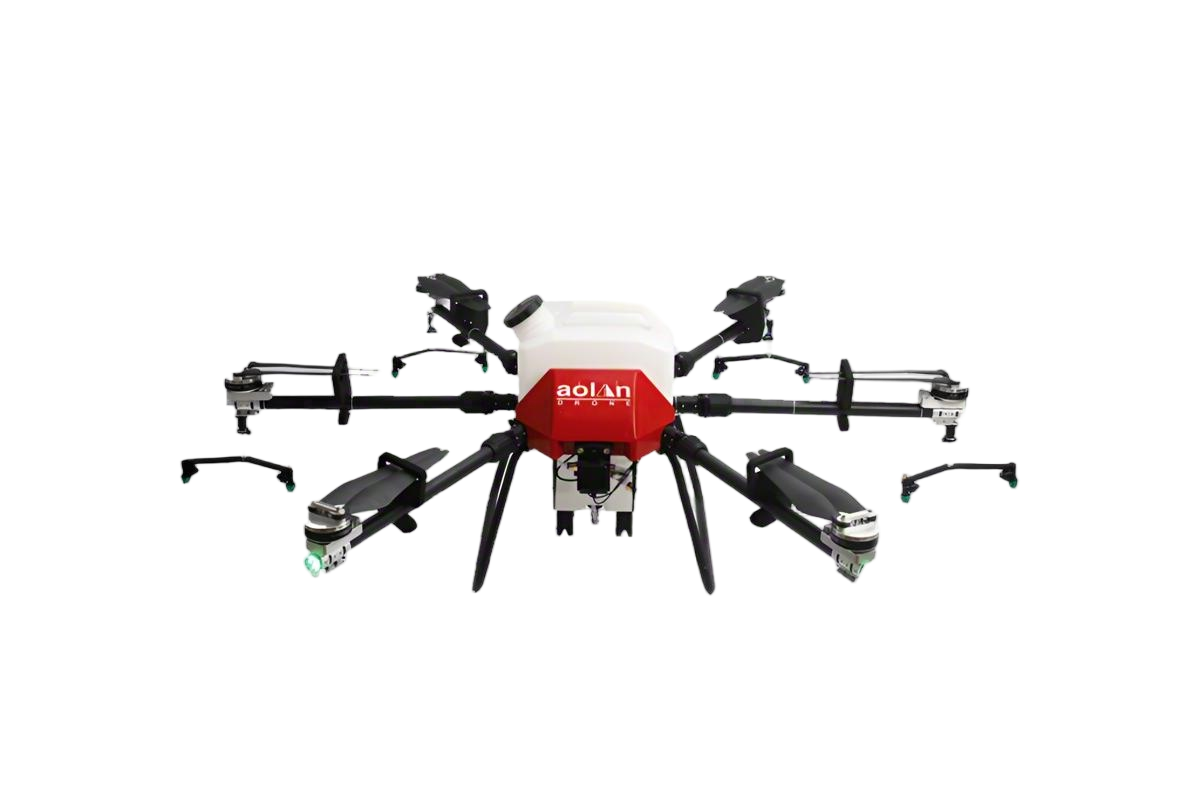
Selecting the right agrispray drone involves considering several factors. Think about the size of your farm and the type of crops you grow. The payload capacity is essential. Drones that can carry larger tanks are ideal for extensive fields. Precision is another factor. Advanced drones use GPS technology for accurate spraying. This minimizes waste and reduces chemical exposure.

However, there are challenges. The initial investment can be high. Farmers should assess whether the benefits outweigh the costs. Moreover, pilot training is necessary. Operating drones requires technical skills and knowledge of local regulations. It’s a learning curve, and some may find it daunting. Evaluating these aspects will lead to better decision-making.

Key Features to Consider When Selecting an Agrispray Drone

When selecting an agrispray drone, several key features can significantly impact its effectiveness. Consider the drone's payload capacity. An efficient drone should hold enough spray to cover large areas without frequent refills. Look for models that can handle varying terrain. This flexibility ensures that your drone performs well on both flat fields and uneven grounds.

Another important aspect is battery life. A longer-lasting battery enables more extended operation. This is crucial for getting the job done in a single flight. Additionally, check the drone's ease of use. A user-friendly interface allows for quicker adjustments and reduces the learning curve.

You may also want to evaluate the precision of the spraying system. Drones that offer adjustable spray patterns can help minimize waste. This capability enhances the efficiency of your operation. However, keep in mind that some drones may require regular software updates, affecting performance. Assessing the support and training offered by the manufacturer can also be vital for smooth operation. These details matter in choosing the right tool for your farming needs.

Assessing Your Farm Size and Crop Types for Drone Suitability

When choosing an agrispray drone, understanding your farm's size and crop types is essential for effective use. A small farm with diverse crops may benefit from a multi-functional drone. It should handle various tasks like spraying, mapping, and monitoring. On larger farms, a drone with extended flight time can cover vast areas efficiently.

Tips: Assess the flight time. A drone that lasts at least 30 minutes will help with larger fields. Look for drones equipped with multi-spectrum cameras. These are useful for analyzing crop health.

The specific crop types also influence your choice. If you grow high-value crops, consider a drone with precision spraying capabilities. Conversely, cereal crops may require less sophisticated technology. Remember, match the drone features to your farming needs.

Tips: Understand the payload capacity of the drone. Ensure it can carry the necessary amount of liquid for your farm size. Don’t overlook user reviews and expert recommendations. They often highlight practical issues and limitations.

Evaluating Drone Technology: Sensors, Sprayers, and Flight Time

When selecting an agrispray drone, consider the technology onboard. Sensors play a crucial role in mapping your crops and detecting health issues. High-quality cameras and multispectral sensors help monitor plant conditions effectively. Drones equipped with these features can improve yields by providing real-time data.

Sprayers are equally important. Look for drones that offer adjustable spray patterns. This allows for more efficient coverage of varying field areas. A drone with a large tank capacity can cover more ground before refilling. Assess your field size and the type of crops when choosing this feature.

Flight time is another critical aspect. Most drones operate between 20 to 30 minutes per flight. Longer flights can mean fewer interruptions. However, ensure that the battery life is reliable, as shorter flight times may lead to increased downtime.

Tip: Always check user reviews and testimonials. Real-world experiences provide valuable insights. Compare different models based on your specific farm needs. This will help ensure you select the most effective drone for your agricultural goals.

Budgeting for Your Agrispray Drone: Costs and Financing Options

Investing in an agrispray drone can revolutionize farm operations, but budgeting is crucial. The costs vary based on features and capabilities. Entry-level drones might cost around $5,000, while advanced models can exceed $20,000. It’s essential to evaluate what you need most. Think about the size of your farm and the types of crops you grow.

Financing options are available if upfront costs seem daunting. Many companies offer leasing programs, allowing you to pay over time. Alternatively, consider agricultural grants from government programs. Researching local agricultural resources may reveal financial assistance options tailored to farmers.

Tips: Calculate your return on investment (ROI). Knowing how much time and money a drone can save you is vital. Look into the maintenance costs too. Many overlook that aspect. Make sure to choose a drone that fits your long-term goals. Don't hesitate to ask other farmers about their experiences. Learning from their challenges can save you from common pitfalls.

Budgeting for Your Agrispray Drone: Costs and Financing Options

Regulations and Compliance for Using Drones in Agriculture

When choosing the right agrispray drone, understanding regulations and compliance is crucial. Farmers must navigate a complex landscape of rules that vary by region. Familiarizing yourself with local laws is a must. Lack of awareness can lead to penalties or worse.

In the U.S., for instance, drones are regulated by the FAA. Farmers must register their drones and obtain a remote pilot certificate. This ensures they understand airspace rules and safety practices. However, compliance can feel overwhelming. Many farmers struggle to keep up with changing regulations. It's essential to stay informed.

Additionally, drone usage may require special permits for certain operations, like applying pesticides. Farmers should consult local agricultural offices for guidance. This helps avoid missteps that could disrupt operations. Striking a balance between innovation and compliance is key. Failing to adhere to regulations can undermine the benefits drones bring to farming.

Comparing Leading Agrispray Drone Brands and Models in the Market

The choice of an agrispray drone can significantly impact farm productivity. Many farmers find themselves navigating a crowded market. Leading brands offer a range of features, but not all may align with specific agricultural needs. According to recent industry reports, over 70% of drone users cite payload capacity as crucial for efficiency. Drones with higher payloads can carry more liquid, spraying larger areas in less time.

In contrast, some models focus on precision targeting. These drones utilize advanced sensors and algorithms. A study by a reputable agricultural technology firm found that precision spraying can reduce chemical usage by up to 30%. This finding emphasizes the importance of evaluating spray patterns. Not every drone suits every crop type, revealing a gap that some farmers may overlook.

User feedback also plays a role in choosing the right model. Insight from agronomists suggests that complex interfaces can deter some users. A drone’s ease of use is as vital as its technical capabilities. Many farmers face a learning curve with high-tech solutions, leading to underutilization. Reflecting on this, it's essential to assess both technology and user experience when selecting an agrispray drone. Balancing efficiency with usability can lead to better outcomes on the farm.

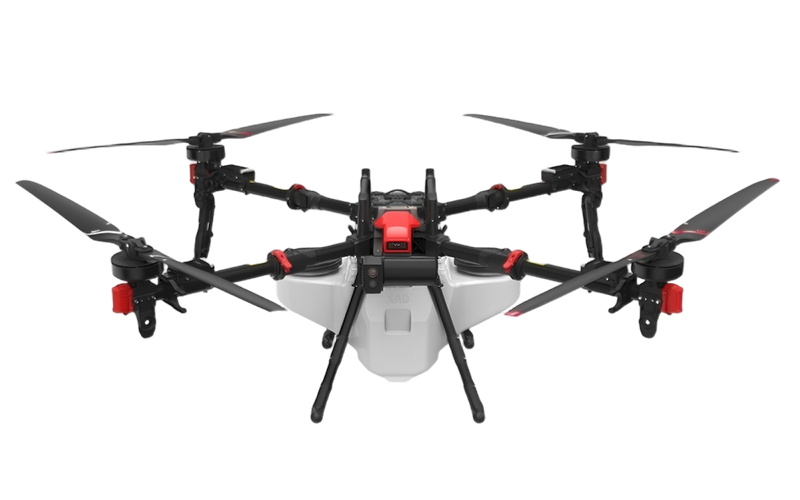
Innovative Farming Solutions: Exploring the XAG P150 Pro 2025 Model Agricultural Drone for Enhanced Crop Management

The agricultural industry continues to evolve with innovative technological solutions that enhance farm management and productivity. One remarkable advancement in this field is the latest model of agricultural drones, designed to integrate multiple essential functions including spraying, sowing, transporting, and aerial surveying. This multifunctionality allows farmers to streamline their operations, significantly reducing the time and labor requirements traditionally associated with crop management.

Equipped with advanced features, these drones can carry payloads of up to 80kg, demonstrating impressive efficiency with a spray flow rate of 32 liters per minute and a feeding speed of 300kg per minute. The incorporation of 4D imaging radar and cutting-edge autonomous flight systems enables precise obstacle avoidance and sophisticated 3D route planning. Such capabilities make these drones highly adaptable, capable of operating effectively in various terrains, including flat farmland, orchards, and mountainous regions.

By leveraging this innovative technology, farmers can achieve higher yields while minimizing resource expenditure. These drones not only enhance operational efficiency but also contribute to sustainable farming practices by optimizing the application of resources, ultimately leading to a healthier ecosystem and improved crop production.

FAQS

: How do I determine the right drone for my farm size?

: Assess your farm's size and crop types. Small farms may need a multi-functional drone.

What features should I prioritize when choosing a drone?

Consider flight time, spray patterns, and sensor quality. Longer flight times mean fewer interruptions.

How important is payload capacity for a drone?

It's crucial. Ensure the drone can carry enough liquid for your farm's needs.

Can different crops affect my drone choice?

Yes, high-value crops may need precision spraying. Cereal crops might require simpler technology.

What financing options are available for purchasing a drone?

Look for leasing programs or agricultural grants that can ease upfront costs.

How should I evaluate the costs of a drone?

Compare features and capabilities. Entry-level drones can start around $5,000.

Why are user reviews important in the drone selection process?

They provide real-world insights into performance and common issues, helping avoid pitfalls.

What is a common mistake when budgeting for a drone?

Overlooking maintenance costs can impact long-term investments significantly.

How can I ensure I’m making a good investment in a drone?

Calculate potential ROI and align drone features with your farming goals.

Should I consult with other farmers before purchasing?

Yes, their experiences can help you understand challenges and improve decision-making.

Conclusion

When choosing the best Agrispray Drone for your farming needs, it's essential to understand the fundamentals of these agricultural tools. Key features, including the type of sensors and sprayers, as well as flight time, play a critical role in determining the suitability of a drone for your specific farming context. Assessment of your farm size and the types of crops you manage will further guide your selection process.

Budgeting is another vital aspect, as costs can vary widely based on the specifications you require. Additionally, ensuring compliance with local regulations regarding drone usage in agriculture is necessary for legal operation. By comparing various leading Agrispray Drone models in the market, you can find a solution that aligns with your operational needs while optimizing efficiency and effectiveness in crop management.

Charlotte

Charlotte

Charlotte is a dedicated marketing professional with a deep expertise in the UAV systems developed by UUUFLY. Her commitment to integrated innovation across hardware, algorithms, and data operations positions her as a driving force in delivering cutting-edge solutions for power, agriculture, and......
Previous Top Industrial UAVs in China for Global Buyers?